Carmel Movers
Organizing Your New Home: Post-Move Setup Tips
Effortless Home Setup Tips
Moving into a new home is an exciting yet challenging experience. The thrill of a fresh start often comes with the daunting task of unpacking and organizing your belongings. This article offers essential tips for efficiently setting up your new home, helping you transition smoothly into your new space. You will learn about must-have essentials for your organization checklist, effective unpacking strategies, and techniques for decluttering. Additionally, we will explore smart storage solutions and habits to help maintain organization over the long term. By following these guidelines, you can create a functional and personalized environment that reflects your style and meets your needs.
What Are the Must-Have Essentials for Your New Home Organization Checklist?
An effective home organization checklist is crucial for a smooth transition into your new space. This checklist should include essential items that will help you unpack efficiently and set up your home comfortably.
Which Items Should You Unpack First in a New House?
When moving into a new house, prioritizing which items to unpack first can significantly ease the transition. Start with the essentials that you will need immediately:
- Kitchen Essentials: Unpack pots, pans, utensils, and dishes to ensure you can start preparing meals immediately.
- Bathroom Necessities: Items such as toiletries, towels, and shower curtains should be readily accessible for immediate use.
- Bedroom Basics: Make your bed with sheets and pillows to create a comfortable sleeping environment.
By focusing on these key areas, you can quickly establish a functional living space.
How to Prepare an Essentials Box for Immediate Use?
Creating an essentials box is a smart strategy for a seamless move. This box should contain items you need right away to make settling in easier. Here’s how to prepare it:
- Items to Include: Pack items like a change of clothes, basic toiletries, important documents, and any medications.
- Labeling Tips: Clearly label the box as “Essentials” to ensure it is easily identifiable among other packed boxes.
- Accessibility Considerations: Keep this box in a location that is easy to access during the move, such as your vehicle or at the top of the moving truck.
Having an essentials box will save you time and stress during unpacking.
How Can You Implement a Room-By-Room Unpacking Strategy for Maximum Efficiency?
A room-by-room unpacking strategy can help you stay organized and focused during the unpacking process. This method allows you to tackle one area at a time, making the task feel less overwhelming.
What Are Effective Kitchen Unpacking and Organization Tips?
The kitchen is often the heart of the home, so organizing it efficiently is essential. Here are some tips to streamline your kitchen unpacking:
- Organizing Pantry and Cabinets: Group similar items, such as canned goods, spices, and baking supplies, to make them easier to find.
- Setting Up Cooking Zones: Designate areas for prep, cooking, and serving to enhance workflow.
- Utilizing Storage Solutions: Consider using drawer organizers and shelf risers to maximize space and keep everything tidy.
By implementing these strategies, you can create a functional kitchen that meets your cooking needs.
How to Set Up Bedrooms and Living Areas Quickly After Moving?
Setting up bedrooms and living areas efficiently can help you feel at home sooner. Here are some strategies to consider:
- Furniture Layout Tips: Plan your furniture arrangement before moving in to ensure optimal flow and functionality.
- Creating a Comfortable Environment: Use soft lighting, comfortable bedding, and personal touches to make the space inviting.
- Personalizing Spaces: Incorporate decor that reflects your style, such as artwork or family photos, to create a sense of belonging.
These steps will help you establish a cozy and personalized living space.
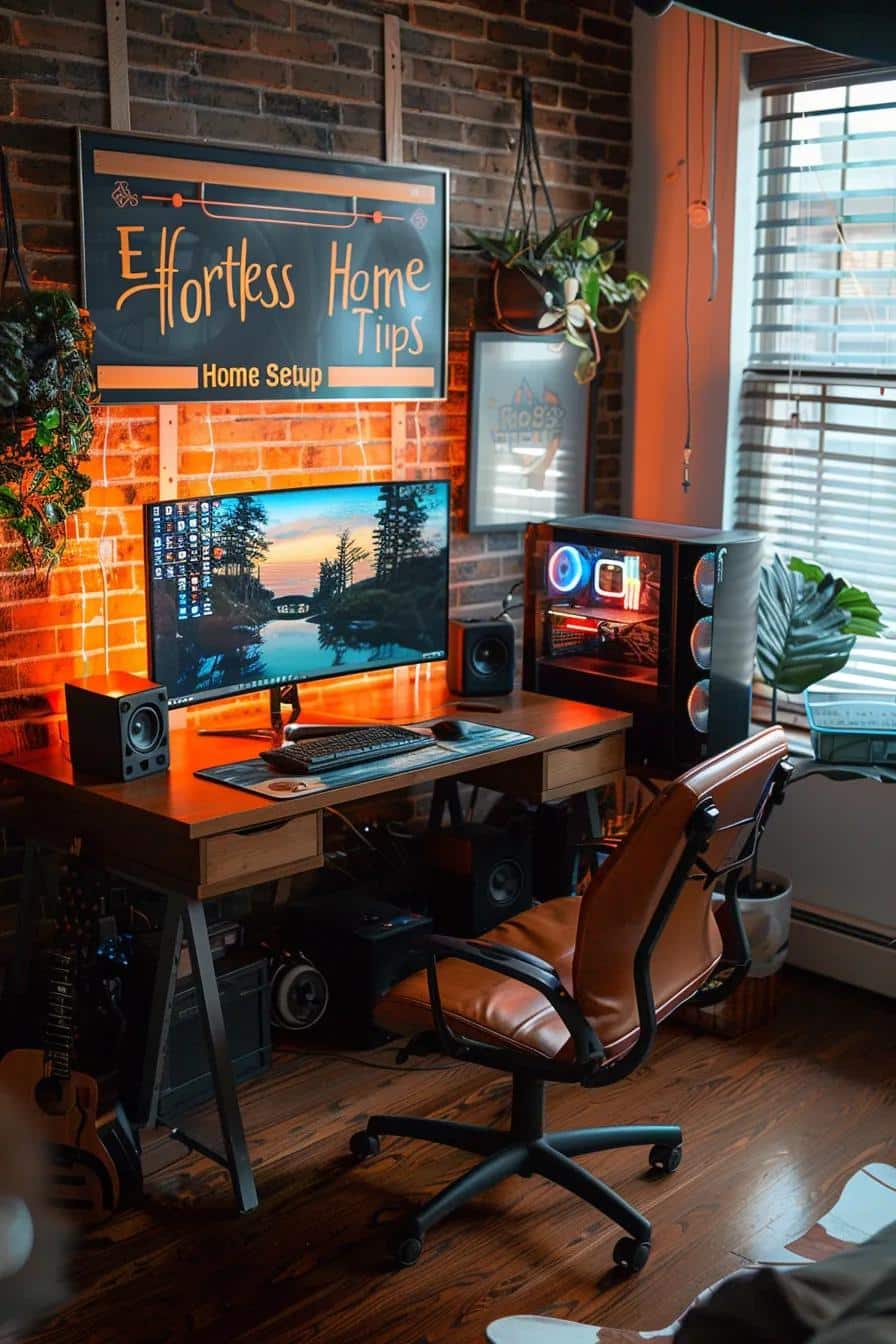
How to Set Up a Small Office for Productivity?
Even a small space can become a highly productive home office with thoughtful planning. Creating a dedicated workspace is crucial for focus and efficiency, especially when working remotely.
- Designate a Specific Area: Choose a quiet corner or a dedicated room as your office to minimize distractions.
- Essential Furniture: Invest in an ergonomic chair and a functional desk that fits your space and supports your work needs.
- Minimize Distractions: Keep the area free of personal clutter, and position your desk to face a wall or a calming view, if possible.
- Organize Supplies: Use desk organizers, shelves, and drawers to keep office supplies tidy and easily accessible.
- Optimize Lighting: Ensure adequate lighting to reduce eye strain, combining natural light with task lighting for focused work.
A well-organized small office can significantly boost your productivity and comfort.
What Are the Best Post-Move Decluttering Techniques to Create Functional Spaces?
Decluttering after a move is essential for creating functional spaces. It helps you assess what you truly need and prevents clutter from accumulating.
How to Decide What to Keep, Donate, or Discard After Moving?
Deciding what to keep, donate, or discard can be challenging. Here’s a framework to guide your decision-making:
- Criteria for Keeping Items: Ask yourself if you have used the item in the past year or if it holds significant sentimental value.
- Donation Options: Consider donating items in good condition to local charities or shelters.
- Sustainable Disposal Methods: For items that cannot be donated, research local recycling programs to dispose of them responsibly.
This approach not only helps you declutter but also supports sustainable practices.
What Resources Are Available for Sustainable Donation and Recycling?
Utilizing local resources for donation and recycling can simplify the decluttering process. Here are some options to consider:
- Local Donation Centers: Many organizations accept gently used items, including clothing, furniture, and household goods.
- Recycling Programs: Check with your municipality to see which programs accept electronics, appliances, and other materials.
- How to Find Resources: Use online directories or community boards to locate nearby donation centers and recycling facilities.
By leveraging these resources, you can ensure that your unwanted items are disposed of responsibly.
Which Smart Storage Solutions Help Maximize Space in Your New Home?
Maximizing space in your new home is crucial for maintaining organization. Smart storage solutions can help you make the most of every inch.
How to Use Vertical Storage and Organizers Effectively?
Vertical storage is an excellent way to maximize space in smaller areas. Here are some tips for effective use:
- Benefits of Vertical Storage: Utilizing wall space can free up floor space, making rooms feel larger and more open.
- Types of Organizers: Consider using shelves, hooks, and pegboards to keep items off the ground and easily accessible.
- Placement Strategies: Install shelves at varying heights to accommodate different items and create visual interest.
Implementing these strategies can significantly enhance your storage capabilities.
How Can Professional Storage Services Simplify Your Post-Move Setup?
Professional storage services can simplify your post-move setup by providing climate-controlled storage facilities for your household items. This allows you to keep items before, during, or after your move, whether you need long-term, short-term, or overnight storage. By using these services, you can manage your belongings more effectively and reduce the stress of unpacking and organizing in your new space.
How Do You Create Functional and Personalized Spaces After Moving?
Creating functional and personalized spaces is essential for making your new house feel like a home. This involves thoughtful planning and design.
What Are Best Practices for Furniture Arrangement and Zone Definition?
Effective furniture arrangement can enhance the functionality of your spaces. Here are some best practices:
- Flow and Movement Considerations: Ensure there is enough space for movement between furniture pieces to create a comfortable environment.
- Defining Functional Areas: Use rugs or furniture placement to define different zones within open spaces, such as a reading nook or a dining area.
- Tips for Maximizing Space: Choose multifunctional furniture, such as ottomans with storage, to optimize space.
These practices will help you create a well-organized and inviting home.
How to Add Personal Touches to Enhance Comfort and Style?
Personal touches can transform a house into a home. Here are some ways to enhance comfort and style:
- Incorporating Personal Items: Display family photos, travel souvenirs, or artwork that reflects your personality.
- Choosing a Color Scheme: Select colors that resonate with you and create a cohesive look throughout your home.
- Creating a Welcoming Atmosphere: Use soft textiles, plants, and ambient lighting to make your space feel warm and inviting.
By adding these personal elements, you can create a space that truly feels like yours.
What Habits Help Maintain Organization and Reduce Stress Long-Term?
Establishing habits that promote organization can significantly reduce stress in your daily life. Here are some effective strategies:
How to Establish Daily Routines for Consistent Home Organization?
Daily routines can help maintain organization in your home. Consider these practices:
- Morning and Evening Routines: Set aside time each morning and evening to tidy up and return items to their designated places.
- Weekly Organization Tasks: Dedicate one day a week to tackle specific areas, such as decluttering a closet or organizing the pantry.
- Involving Family Members: Encourage everyone in the household to participate in maintaining organization, fostering a sense of shared responsibility.
These routines will help keep your home organized and reduce the likelihood of clutter accumulating.
What Seasonal Decluttering Schedules Keep Your Home Clutter-Free?
Implementing a seasonal decluttering schedule can help maintain a clutter-free home. Here’s how to create one:
- Creating a Seasonal Checklist: Develop a checklist of areas to declutter each season, such as closets, garages, and storage spaces.
- Benefits of Regular Decluttering: Regularly assessing your belongings helps prevent clutter buildup and keeps your home feeling fresh.
- How to Stay Motivated: Set goals and reward yourself for completing decluttering tasks to stay motivated throughout the process.
By following a seasonal schedule, you can ensure that your home remains organized and functional year-round.


