
Carmel Movers
How Much Does Moving Cost? A Detailed Guide
How Much Does Moving Cost? A Detailed Guide to Moving and Storage Prices
Moving can be daunting, and understanding the costs involved is crucial for effective budgeting. This detailed guide will explore the factors that influence moving costs and provide a comprehensive overview of what to expect when planning your move. Whether you’re relocating locally or long-distance, knowing the financial implications can help you make informed decisions. In this article, we will cover the main factors affecting moving costs, typical prices for local and long-distance moves in Massachusetts, average costs for packing and storage services, budgeting tips, and how to get a transparent moving cost estimate from Carmel Movers Inc. We will also cover tools such as a moving cost calculator and discuss different types of moves, including cross-country moves and international van lines.
What Are the Main Factors Affecting Moving Costs?
The main factors affecting moving costs include:
- Distance of the Move: Local moving is typically billed on an hourly basis, while long-distance and cross-country moving are priced based on weight and distance.
- Time Required: Estimates vary based on the expected move duration; additional time can increase costs.
- Volume of Items: The number and size of items being moved can affect cost, as larger or more numerous items may require more labor and resources.
- Specialty Items: Moving items such as pianos or large furniture may incur additional charges due to specialized handling and equipment requirements.
- Packing Services: Choosing full or partial packing services can affect overall costs.
- Insurance Coverage: The level of insurance coverage selected for the move can also influence the total cost.
- Last-Minute Requests: Urgent or last-minute moves may incur higher costs due to expedited services.
These factors can lead to variations in moving estimates and final charges.
How Do Labor and Distance Influence Moving Expenses?
Labor and distance influence moving expenses in several ways. Local moves are typically billed hourly, so the total cost can vary based on the time required to complete the move. For instance, if one moving company estimates 3 hours and another estimates 5 hours, the actual time taken may result in additional charges. Long-distance moves typically use pricing based on distance and item weight. Additionally, specialized services for heavy or delicate items, such as pianos or appliances, may incur additional costs due to the labor and care required for safe transport. When planning cross-country moving or international van lines services, these factors become even more significant due to the complexity and distance involved.
What Role Do Packing and Storage Services Play in Pricing?
Packing and storage services play a significant role in pricing for moving companies. A substantial portion of a moving company’s revenue can come from packing supplies, and they often charge extra for items such as tape, protective covers, and specialty boxes. Therefore, understanding the costs of packing services is essential to avoid surprises on the final invoice. Additionally, storage solutions can affect pricing, as they may involve short- or long-term fees depending on the client’s needs. Renting a storage unit during your relocation can increase your overall moving expenses, so it’s important to factor it into your moving budget.
Factors that Affect Your Moving Cost
Several key factors can influence the overall cost of your move beyond the basic considerations. Understanding these can help you better prepare and manage your moving budget:
- Season and Timing: Moving during peak seasons, such as summer or on weekends, often results in higher prices due to increased demand. Conversely, scheduling your move during off-peak times can reduce costs.
- Accessibility: The ease of access to your current and new home affects labor time. Moves involving multiple flights of stairs, narrow hallways, or long carries from the truck to the door may incur additional fees.
- Type of Residence: Moving from or to apartments, especially those without elevators, can increase costs compared to single-family homes with easy truck access.
- Additional Services: Services such as furniture disassembly and reassembly, appliance servicing, or unpacking can increase the total cost.
- Weight and Volume of Belongings: Heavier and bulkier items require more labor and fuel, which increases costs, especially for long-distance moves.
- Special Handling Requirements: Fragile, valuable, or specialty items such as artwork, antiques, or electronics may require additional care and insurance, which can increase costs.
- Distance and Route Complexity: Longer distances and routes with tolls, difficult terrain, or restricted access can raise transportation costs.
- Storage Needs: Temporary storage before, during, or after the move increases costs based on duration and unit size.
- Permits and Regulations: Some locations require permits to move trucks or have specific regulations that may incur fees or require additional planning.
Being aware of these factors allows you to anticipate potential additional costs and plan accordingly.
How Much Do Local and Long-Distance Moves Cost in Massachusetts?
It’s important to understand the costs associated with local and long-distance moves in Massachusetts to plan your moving budget effectively.
What Are Typical Local Moving Prices in Boston and Metrowest?
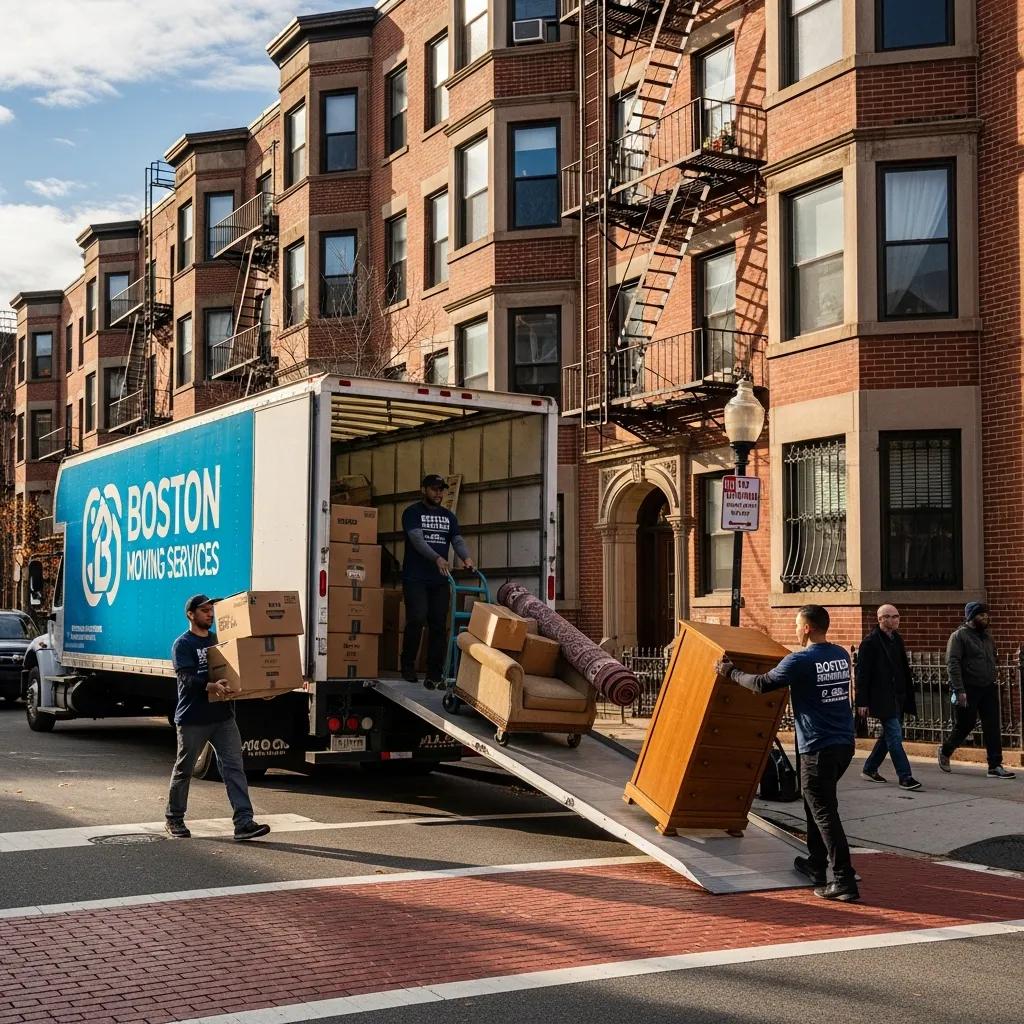
Local moving rates in Boston and the MetroWest area typically range from $120 to $200 per hour, depending on crew size and time of year. Factors such as the day of the week and the season can also influence pricing, with weekends and summer months often being more expensive due to higher demand. When hiring movers and a moving truck, these local moving prices reflect the labor and equipment costs involved.
How Do Long-Distance Moving Costs Vary by Distance and Region?
Long-distance moving costs can vary significantly based on the distance traveled and the region. On average, long-distance moves range from $2,000 to $6,000, depending on item weight and route. Additional costs may arise from factors such as fuel surcharges and tolls, which can further impact the overall price. For cross-country moves, these costs tend to be higher due to the longer distance and the logistics involved.
What Are the Average Costs for Packing and Storage Services?
Packing and storage services are essential components of the moving process, and understanding their costs can help you budget more effectively.
How Are Packing Service Fees Calculated?

Packing service fees are typically calculated based on the number of items being packed and the level of service required. For example, full packing services can range from $350 to $1,200, depending on item volume and packing complexity. Partial packing services, in which only certain items are packed, may be more cost-effective. Using a moving cost calculator can help estimate these fees more accurately.
What Are Storage Unit Rental Rates in the Boston Area?
Storage unit rental rates in the Boston area can vary widely based on location, size, and amenities. On average, you can expect to pay between $90 and $300 per month for a standard storage unit. Factors such as climate control and security features can also influence pricing, with premium units costing more. Including storage unit fees in your moving budget helps you see your total relocation expenses.
How Can You Budget Effectively for Your Move?
Budgeting effectively for your move requires careful planning and consideration of all related expenses.
What Tips Help Estimate and Control Moving Expenses?
To estimate and control moving expenses, consider the following tips:
- Get Multiple Quotes: Always obtain quotes from several moving companies to compare prices and services.
- Create a Detailed Inventory: List all items to be moved to help generate accurate estimates.
- Plan Ahead: Schedule your move during off-peak times to potentially save on costs.
- Consider DIY Options: If feasible, consider packing your items yourself to reduce labor costs.
How Does Moving Insurance Affect Your Overall Budget?
Moving insurance can significantly impact your overall budget. While it may seem like an additional expense, it provides peace of mind and financial protection for your belongings during the move. Basic coverage is often included, but additional insurance can range from $100 to $500, depending on the value of your items and the level of coverage you choose.
Additional Moving Costs and Fees to Consider
Beyond the primary moving expenses, there are several additional costs and fees that you should be aware of to avoid unexpected charges:
- Fuel Surcharges: Some moving companies add fuel surcharges based on current gas prices, especially for long-distance moves.
- Stair and Elevator Fees: If movers need to carry items up or down stairs or use the elevator, additional fees may apply.
- Long-Carry Fees: When the moving truck cannot park near your home, and movers must carry items over a long distance, additional charges may apply.
- Shuttle Service Fees: For locations with restricted truck access, shuttle service may be required, which can increase costs.
- Storage Fees: If your belongings need to be stored temporarily during the move, storage fees will apply.
- Cancellation or Rescheduling Fees: Changing or canceling your move date on short notice may result in penalties.
- Additional Insurance: Upgrading your insurance coverage beyond the basic level can increase your total cost.
- Unpacking Services: If you opt for movers to unpack your items, expect additional charges.
- Special Handling Fees: Items requiring special care, such as antiques or artwork, may incur extra fees.
Being aware of these potential additional costs can help you plan a more accurate moving budget and avoid surprises on moving day.
How Can You Get a Transparent Moving Cost Estimate from Carmel Movers?
To obtain a transparent moving cost estimate from Carmel Movers, contact them directly at their Boston office (800-287-2042) or their Metrowest office (508-283-9990). It’s important to discuss the specifics of your move, including factors that may affect the estimate, such as the time required and any additional services you may need. Carmel Movers is a reputable moving company known for its communication and personalized service.
What Is Included in a Free Moving Quote?
A free moving quote typically includes an estimate of your move costs, which may vary based on factors such as move duration, the services you need (e.g., packing, loading, unloading), and any additional coverage options for your belongings. It may also outline the resources available on the day of the move, such as a coordinator or manager.
How Does Carmel Movers Ensure Pricing Transparency and Personalized Service?
Carmel Movers ensures pricing transparency by providing clear information about their fee structure, including potential cost variations and the billing method for local moves, which is typically at an hourly rate. They emphasize the importance of understanding what might change the estimate before moving day. Additionally, they offer personalized service by tailoring their moving solutions to the unique needs of clients, including families, seniors, and those requiring last-minute moves.
10 Easy Ways to Cut Moving Costs
Moving can be expensive, but there are several practical strategies to reduce your overall expenses. Here are 10 easy ways to cut moving costs:
- Declutter Before You Move: Sell, donate, or discard items you no longer need to reduce your belongings and lower moving costs.
- Compare Multiple Moving Quotes: Obtain estimates from several companies to find the best price and services that fit your budget.
- Choose Off-Peak Moving Dates: Schedule your move on weekdays or during the off-season to take advantage of lower rates.
- Pack Yourself: Save on packing service fees by packing your belongings yourself using affordable or recycled materials.
- Use Free or Low-Cost Packing Supplies: Collect boxes from local stores or use household items like towels and blankets for padding.
- Enlist Friends and Family: Ask for help with packing, loading, or unloading to reduce labor costs.
- Limit Specialty Services: Avoid extra charges by handling specialty item moves yourself when possible, or minimize the number of specialty moves.
- Consolidate Your Move: Plan to move everything in one trip to avoid additional transportation fees.
- Rent a Smaller Storage Unit: If storage is necessary, choose the smallest unit that fits your needs to save on monthly fees.
- Keep Track of Your Moving Budget: Monitor expenses closely to avoid unexpected costs and adjust plans as needed.


