
Carmel Movers
First-Time Mover’s Guide: Essential Tips & Advice
First-Time Mover’s Guide: Essential Tips & Advice for a Stress-Free Move
Moving to a new home can be an exciting yet daunting experience, especially for first-time movers. This comprehensive guide provides essential tips and advice to ensure a smooth transition. You will learn about the complete moving checklist, effective packing strategies, how to hire reliable movers, and budget-friendly tips to manage your move. Many first-time movers face challenges such as organization, stress, and unexpected costs. By following this guide, you can address these concerns and streamline your move. We will cover key topics, including a detailed moving checklist, packing tips, hiring movers, storage solutions, and budgeting strategies.
What Is the Complete Moving Checklist for First-Time Movers?
A complete moving checklist is a vital tool for first-time movers, helping ensure no important tasks are overlooked during the move. This checklist typically includes essential steps to take before moving day and tasks to manage on moving day. By following a structured checklist, you can reduce stress and enhance your overall moving experience. This checklist is especially useful for first-time movers.
Which Steps Should You Follow Before Moving Day?
Before moving day, it is crucial to complete several key tasks to ensure a smooth transition. Here are the steps to follow:
- Gather Important Documents: Collect all necessary paperwork, including lease agreements, utility contracts, and identification.
- Notify Utilities and Services: Inform your utility providers, internet service provider, and other essential service providers of your move to avoid interruptions.
- Pack Essentials: Prepare a box of essentials you will need immediately upon arrival at your new home, including toiletries, clothing, and important documents. This is especially important when planning for a move to a new house or apartment.
Completing these steps will set a solid foundation for your move, allowing you to focus on the logistics of moving day.
How to Organize Tasks on Moving Day Efficiently?
On moving day, organization is key to ensuring everything goes smoothly. Here are some strategies to help you manage tasks effectively:
- Create a Moving Day Schedule: Outline a timeline for the day, including load times and arrival at your new home.
- Assign Tasks to Helpers: If you have friends or family assisting you, delegate specific tasks to keep everyone focused and productive.
- Stay Flexible: Be prepared for unexpected issues, such as delays or last-minute changes, and adjust your plan as needed.
By organizing your tasks and maintaining flexibility, you can navigate moving day with greater ease.
What Are the Best Packing Tips for Protecting Your Belongings?
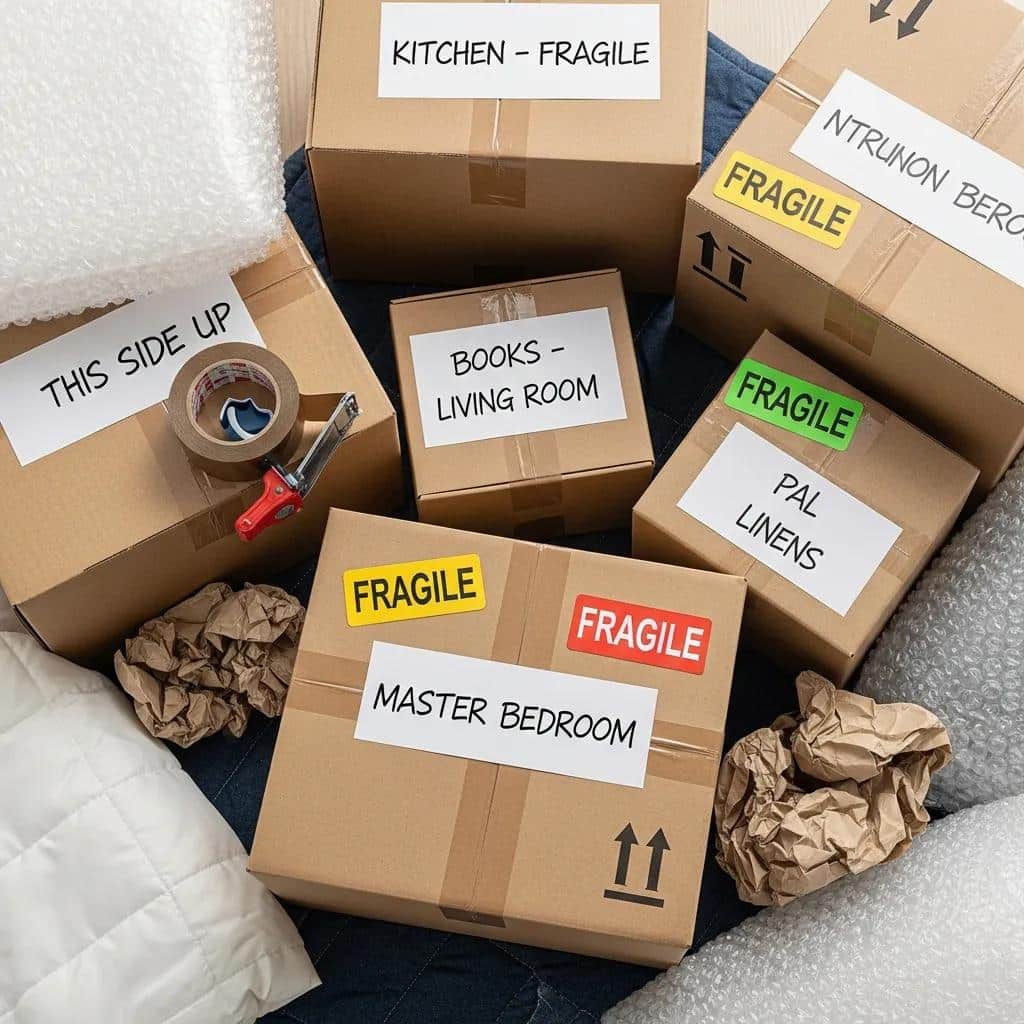
Packing is a critical aspect of moving, and using the right techniques can help protect your belongings. Here are some effective packing tips to consider:
- Use Quality Packing Materials: Invest in sturdy boxes, bubble wrap, and packing tape to ensure your items are well-protected during transit.
- Label Boxes Clearly: Mark each box with its contents and the room it belongs to to make unpacking easier at your new home.
- Pack Fragile Items Carefully: Wrap delicate items in bubble wrap or packing paper, and place them in boxes with extra padding to prevent breakage.
Implementing these packing strategies will help safeguard your belongings and streamline the unpacking process. These are some of the best moving tips for first-time movers.
How Do You Pack Fragile Items Safely?
When packing fragile items, it is essential to take extra precautions to prevent damage. Here are some techniques to ensure their safety:
- Wrap Each Item Individually: Use bubble wrap or packing paper to wrap each fragile item separately, providing cushioning against impact.
- Use Dividers in Boxes: For items such as glassware, use dividers to keep them separate and reduce breakage risk.
- Fill Empty Spaces: Fill any gaps in the box with packing peanuts or crumpled paper to prevent items from shifting during transport.
By following these methods, you can minimize the risk of damage to your fragile belongings.
What Packing Materials and Techniques Save Time and Space?
Using efficient packing materials and techniques can save both time and space during your move. Here are some recommendations:
- Space-Saving Packing Techniques: Roll clothes instead of folding them to save space in boxes and suitcases.
- Eco-Friendly Packing Materials: Consider using biodegradable packing peanuts or recycled boxes to reduce your environmental impact.
- Use Household Items: Pack smaller items in towels, blankets, or suitcases to maximize space and reduce the need for additional packing materials.
These strategies not only save time but also help you stay organized throughout the moving process.
How to Hire Reliable Movers: What Should First-Time Movers Know?
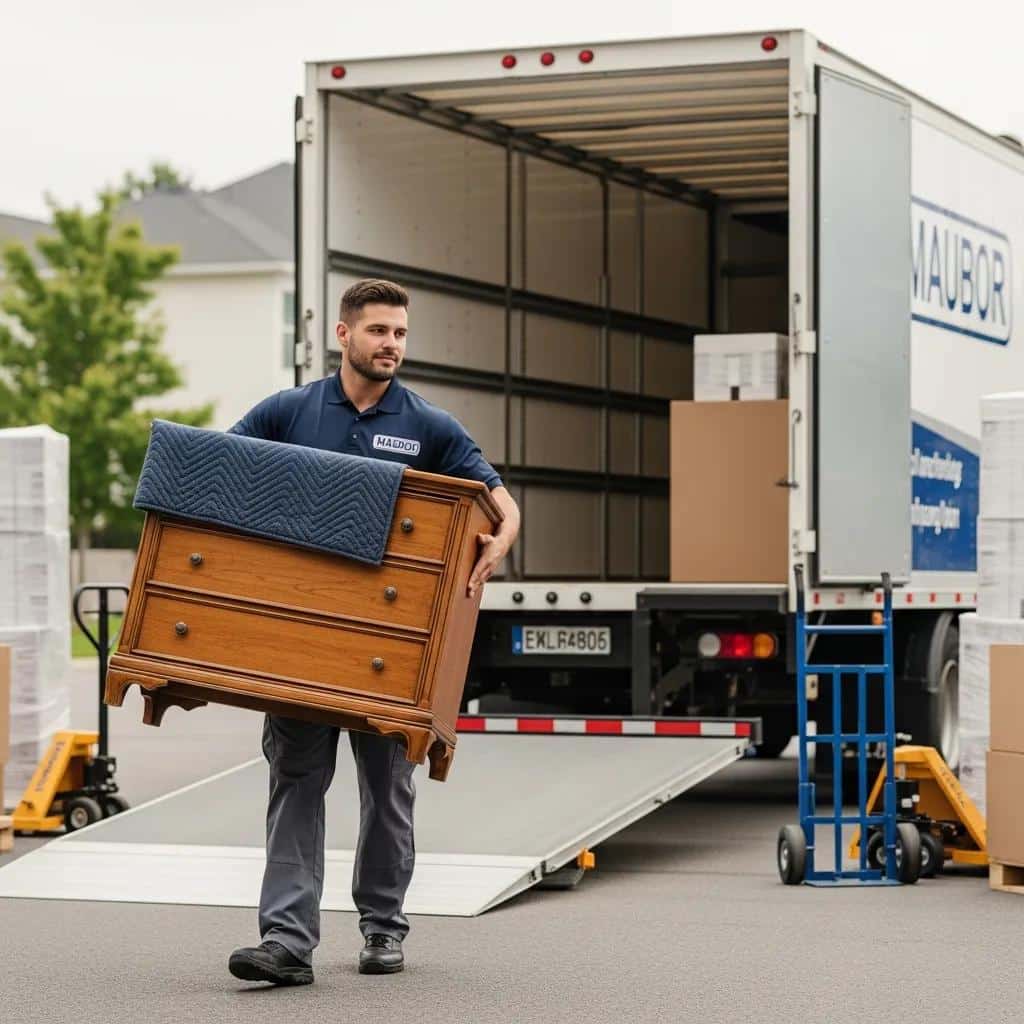
Hiring reliable movers is crucial for a successful move. First-time movers should consider several factors when selecting a trustworthy company. Here are some essential guidelines:
- Check Licensing and Insurance: Ensure the moving company is fully licensed and insured to protect your belongings.
- Understand Pricing: Be aware of the fee structure, including hourly rates and potential additional charges. Request a detailed estimate and clarify what factors might affect the final cost.
- Read Reviews: Look for testimonials and reviews to gauge the company’s reputation and service quality.
By following these guidelines, first-time movers can make informed decisions when hiring a moving company. This advice is especially useful for first-time movers or those seeking guidance.
What Questions Should You Ask Moving Companies?
When interviewing potential moving companies, it is important to ask the right questions to ensure you are making a well-informed choice. Here are some key questions to consider:
- What is the complete fee structure? Inquire about any separate charges for moving appliances or additional services.
- Are moving estimates binding? Understand what factors could affect the estimate and whether it is guaranteed.
- What kind of protection is available for your belongings? Ask about the company’s insurance options and coverage.
These questions will help you assess the reliability and transparency of the moving companies you are considering.
How to Compare Local and Long-Distance Moving Services?
When comparing local and long-distance moving services, consider the following factors:
- Cost Structure: Local moves are typically billed hourly, while long-distance moves are billed on a flat rate based on distance and weight.
- Estimates: Confirm whether moving estimates are binding and which factors could affect your quote before moving day.
- Insurance Options: Review the protection available for your belongings; local moves may have minimal standard coverage, while long-distance moves may offer different options.
By evaluating these factors, you can make a more informed decision when comparing local and long-distance moving services. This is particularly important for tips for moving out of state for the first time.
What Are Effective Storage Solutions for First-Time Movers in Boston and Metrowest?
Effective storage solutions are essential for first-time movers in Boston and MetroWest, especially if you need a secure place to store your belongings during the move. One option to consider is climate-controlled storage, which provides a safe environment for your items.
Which Storage Options Are Available, and How Do I Choose?
There are various storage options available, including:
- Climate-Controlled Storage: Ideal for long-term storage of sensitive items, such as electronics and antiques.
- Short-Term Storage: Useful for temporary needs, such as when you need to store items while transitioning between homes.
- Self-Storage Units: Convenient for storing belongings for varying durations with flexible access.
To choose the right storage solution, consider the required storage duration and the types of items you need to store.
What Are the Benefits of Secure Storage Units During a Move?
Using secure storage units during a move offers several advantages:
- Security Features: Many storage facilities provide 24/7 surveillance and secure access to protect your belongings.
- Flexibility: Storage units allow you to store items at your convenience, making it easier to manage your move.
- Peace of Mind: Knowing your belongings are safe and secure can reduce stress during the moving process.
These benefits make secure storage units a valuable option for first-time movers.
How to Plan Your Moving Day: Essential Advice for First-Time Movers
Planning your moving day is crucial for a successful transition. Here are some essential tips to help you stay organized and reduce stress on moving day.
What Are the Key Tips to Reduce Stress on Moving Day?
To minimize stress on moving day, consider the following strategies:
- Stay Organized: Keep all important documents and contact information in one place for easy access.
- Communicate with Movers: Provide all necessary details about your move, including your home size and any specialty items.
- Have a Backup Plan: Consider storage solutions if there are delays or issues with your new location.
By implementing these tips, you can create a more manageable moving day experience. Here are some of the best moving tips for moving into a first apartment or any first-time move.
How to Coordinate with Movers and Manage Unexpected Issues?
To effectively coordinate with movers and manage unexpected issues, follow these steps:
- Request a Quote: Get a free quote by completing an online form or calling the moving company directly to understand costs.
- Plan for Last-Minute Needs: If you have urgent moving needs, inform the movers, as they may offer same-day or last-minute services.
- Stay in Contact: Keep in touch with the moving team on the day of the move to address any unexpected issues.
By following these steps, you can help ensure a smoother moving experience and effectively manage any unexpected challenges.
How to Budget Your Move: Cost Breakdown and Money-Saving Tips
Budgeting for your move is essential to avoid unexpected expenses. Understanding typical moving costs and identifying money-saving strategies can help you manage your budget effectively.
What Are Typical Moving Costs for First-Time Movers?
Typical moving costs can vary based on several factors, including:
- Distance of the Move: Local moves are generally less expensive than long-distance moves.
- Size of the Move: The more items you have, the higher the cost for packing and transportation.
- Additional Services: Services such as packing, unpacking, and storage can add to your overall moving expenses.
By understanding these cost factors, you can better prepare for your moving budget.
How to Save Money Without Sacrificing Quality Moving Services?
To save money without sacrificing quality moving services, consider the following tips:
- Get Multiple Estimates: Compare quotes from different moving companies to find the best deal.
- Choose Essential Services: Opt for only the services you need, such as loading and unloading, rather than full-service moving, if you can handle some tasks yourself.
- Plan Ahead: Schedule your move during off-peak times to potentially lower costs.
These strategies can help you manage your moving budget effectively while still ensuring a quality service.
Understanding these costs can help you make informed decisions about your moving budget and identify cost-saving opportunities.
In summary, moving for the first time can be complex, but with the right planning and resources, it can also be a rewarding experience. By following the tips outlined in this guide, including advice for moving out for the first time, you can navigate your move with confidence and ease.


